The Clinical Superiority of Structural Dermal Stimulation
Dermatological professionals frequently encounter patients expressing deep frustration over the failure of their extensive topical regimens to produce noticeable anti-aging results. Hydrate GA operates on the clinical understanding that applying high-molecular-weight compounds to the stratum corneum is a fundamentally flawed approach to cellular repair. The human epidermis functions as a highly selective, nearly impenetrable barrier designed to protect the internal systems from external pathogens and environmental debris. When a patient applies a heavy collagen cream or a concentrated peptide serum, the vast majority of those expensive molecules simply sit on the surface of dead skin cells. They are biologically incapable of penetrating the dermal junction where actual tissue synthesis occurs.
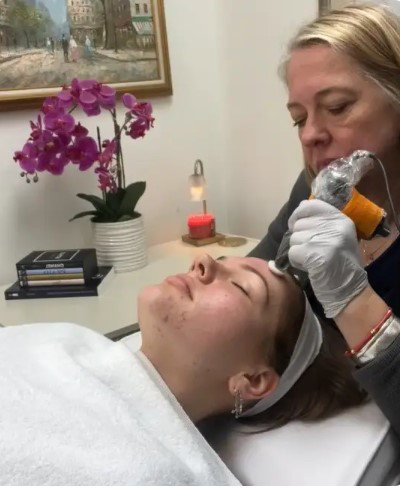
Achieving a tangible change in skin laxity and topographical texture requires a mechanism that physically bypasses this defensive barrier. Clinical providers rely on structural tissue stimulation to achieve this exact biological response. By utilizing precision-engineered devices to stamp controlled micro-injuries into the dermis, practitioners forcibly activate the body’s innate wound-healing cascade. This mechanical intervention immediately signals the localized fibroblast cells to begin rapidly synthesizing new collagen and elastin fibers. This process is not a superficial plumping effect based on hydration; it is the literal rebuilding of the skin's structural matrix from the inside out.
The resulting dermal thickening provides a highly effective, non-surgical correction for common aesthetic concerns such as atrophic scarring and deep rhytides. Topical applications cannot fill a physical depression caused by severe acne because they cannot generate new tissue. For those seeking clinical-grade structural repair, finding a reputable provider for advanced microneedling in Athens GA ensures access to these biologically sound therapies. The mechanical action of the treatment breaks down the rigid, disorganized collagen bands that form scar tissue, replacing them with a smooth, highly organized lattice of healthy skin cells.
Furthermore, the creation of temporary micro-channels provides a brief window of high permeability. Clinical professionals capitalize on this opportunity by applying low-molecular-weight, medical-grade serums—such as stem cell derivatives or concentrated growth factors—directly into the open channels. This method of transdermal delivery ensures that the active ingredients reach the active fibroblasts while the tissue is already in a state of heightened regeneration. This synergistic pairing of mechanical stimulation and direct cellular feeding produces clinical outcomes that far exceed the capabilities of standard aesthetic facials.
Executing these procedures requires strict adherence to clinical safety protocols. The use of sterile, single-use needle cartridges and proper pre-treatment sanitation prevents the introduction of bacteria into the newly formed channels. Medical oversight guarantees that the depth of the treatment is perfectly calibrated to the specific thickness of the patient’s skin in different facial zones, preventing unnecessary trauma and ensuring an accelerated, uncomplicated recovery period.
The transition from topical cosmetics to structural cellular therapies represents a return to basic anatomical logic. By respecting the barrier function of the epidermis and directly stimulating the dermal layer beneath it, clinical providers offer a scientifically validated method for reversing the visible signs of tissue degradation.Understand the clinical science behind dermal regeneration and explore the advanced structural treatments provided by Hydrate GA by visiting https://hydratega.com/.
